Home
Up
كنيسة المفلوج في كفرناحوم
صور آثار قرية كفر ناحوم
صور من كفر ناحوم
مدينة كفر ناحوم
الكنيس اليهودي بكفر ناحوم
كنيسة الرسل للروم الأرثوذكس فى كفر ناحوم
كنيسة بيت بطرس | | 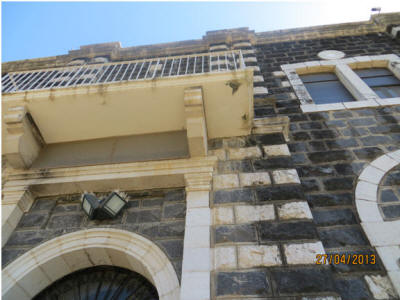 فى مدخل مدينة كفر ناحوم هذا بيت الرهبان الفرنسيكان حراس الأرض المقدسة وفى ١٨٩٤ م اشترى الفرنسيسكان الموقع وبعد حوالي عشرة أعوام باشروا أعمال الحفريات. فى مدخل مدينة كفر ناحوم هذا بيت الرهبان الفرنسيكان حراس الأرض المقدسة وفى ١٨٩٤ م اشترى الفرنسيسكان الموقع وبعد حوالي عشرة أعوام باشروا أعمال الحفريات. | 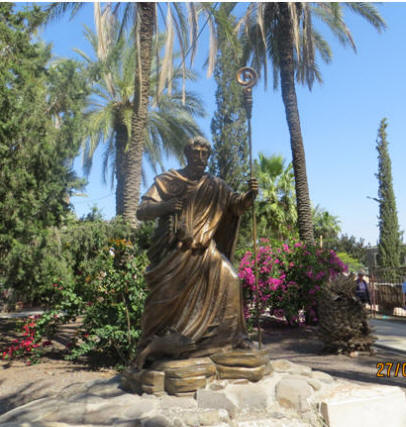 وفى مدخل مدينة كفر ناحوم تمثال كبير للقديس بطرس حاملا مفتاحي السماء والأرض، وحاملا أيضا .عصا القيادة، تاركا السمك وصيد السمك وراءه وفى مدخل مدينة كفر ناحوم تمثال كبير للقديس بطرس حاملا مفتاحي السماء والأرض، وحاملا أيضا .عصا القيادة، تاركا السمك وصيد السمك وراءه |  |  | الأنواع السبعة (shivat haminim باللغة العبرية) هي سبعة أنواع من الفواكه و الحبوب المذكورة في التوراة ( سفر التثنية 8:8) الرئيسية من أرض إسرائيل. في العصور القديمة هذه المواد الغذائية على المواد الغذائية النظام الغذائي الخاص بدفنه. وهي مهمة أيضا في الديانة اليهودية القديمة بسبب أحد من معبد الأعشار المستمدة من هذه الأطعمة السبعة. هذه العشر كان يسمى bikkurim الذي يعني " باكورة " "
اليوم سبعة أنواع المواد الزراعية لا تزال مهمة في إسرائيل الحديثة ولكن لم تعد تسيطر على المنتجات من البلاد. يوم العيد من تو ب'shvat التقليدية أصبح لليهود أن تأكل من سبعة أنواع
The Seven Species (Shivat Haminim in Hebrew) are the seven types of fruits and grains named in the Torah (Deuteronomy 8:8) as the main produce of the land of Israel. In ancient times these foods were staples of the Israelite diet. They were also important in the ancient Jewish religion because one of the Temple tithes derived from these seven foods. The tithe was called the bikkurim, which meant "first fruits."
Today the seven species are still important agricultural items in modern Israel but they no longer dominate the produce of the country as they once did. On the holiday of Tu B'Shvat it has become traditional for Jews to eat from the seven species
وقال سبعة أنواع
سفر التثنية 8:8 يقول لنا ان اسرائيل "على الارض من القمح ، الشعير ، زراعة الكرمة ، التين و الرمان; على الأرض من النفط الزيتون تاريخ العسل " "
على سبعة أنواع من القمح
)chitah بالعبرية)
الشعير (SE'اوراه بالعبرية)
العنب (gefen باللغة العبرية)، عادة ما يستهلك
التين النبيذ (TE'enah بالعبرية)
الرمان في العبرية ( ريمون )
الزيتون (زايت باللغة العبرية)، عادة استهلاك النفط في شكل
التاريخ تامار أو d'vash بالعبرية)
the Seven Species
Deuteronomy 8:8 tells us that Israel was "a land of wheat, barley, grapevines, figs, and pomegranates; a land of oil olives and date honey."
The seven species are:
Wheat (chitah in Hebrew)
Barley (se'orah in Hebrew)
Grapes (gefen in Hebrew), usually consumed as wine
Figs (te'enah in Hebrew)
Pomegranates (rimon in Hebrew)
Olives (zayit in Hebrew), usually consumed in oil form
Dates (tamar or d'vash in Hebrew)
Date Honey
The biblical verse from Deuteronomy does not actually mention palm dates but instead uses the word "d'vash" as the seventh species, which literally translates to honey. In ancient times the palm date was often made into a form of honey by mashing the dates and cooking them with water until they thickened into a syrup. It is generally thought that when the Torah mentions "honey" it is usually referring to palm date honey and not the honey produced by bees.
This is why dates were included in the seven species instead of bee honey.
Almonds: The "Eighth Species"
While not technically one of the seven species, almonds (shaked in Hebrew) have become a sort of unofficial eighth species due to their close association with Tu B'Shvat. Almond trees grow all over Israel today and they tend to bloom right around the time that Tu B'Shvat usually occurs. Because of this almonds are also often eaten with the actual seven species on Tu B'Shvat. | | | | | | | | | | | | | | | | | | |
|
 Encyclopedia - أنسكلوبيديا